

Buying a home in Clinton goes more smoothly when you prepare for local inventory, financing, and property details before touring. These seven moves can help you compare options with more confidence, avoid preventable delays, and focus on homes that fit your budget and goals. A little planning up front often makes the offer and inspection stages far less stressful.
Start With Your Budget, Not the Listing Photos
It is easy to begin with online listings and imagine how a move might look, but the smarter first step is building a realistic buying range. That means reviewing monthly payment comfort, not just the maximum loan amount a lender might approve. In Clinton, where buyers may consider everything from in-town homes to properties with extra land, the full cost picture matters: principal and interest, taxes, insurance, utilities, maintenance, and any immediate updates after closing.
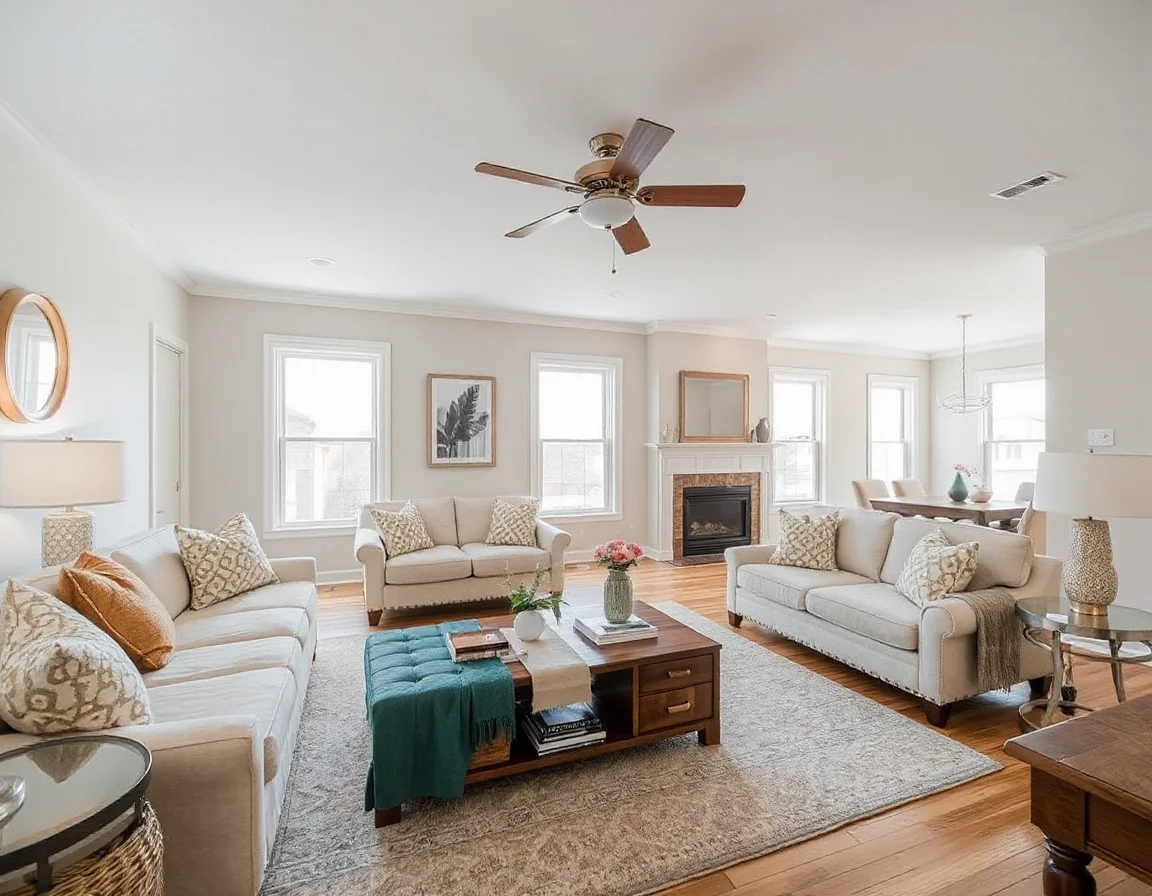
Getting clear on your numbers early also helps you react faster when a good property appears. Instead of wondering whether a home is workable, you can evaluate it through a practical lens: does the payment leave room for everyday expenses and future plans? That approach reduces wasted tours and keeps your search grounded in homes you can pursue with confidence.
Buyers also benefit from setting two price points: an ideal range and a hard ceiling. That small distinction is useful in competitive situations, especially when a well-kept property draws quick interest. Knowing your limits in advance can keep decision-making calm when timing speeds up.
A strong budget is more than a pre-approval number. It should account for insurance, repair reserves, and the first few months of ownership so the home still feels manageable after closing.
Get Pre-Approved Before You Schedule a Full Weekend of Tours
Pre-approval does more than show a seller you are serious. It helps you understand loan options, interest-rate impact, and the documents a lender will require later. If you are comparing conventional, FHA, VA, or USDA financing, this is also the time to ask how each program may affect down payment, property eligibility, and timeline.
In a market like Clinton and the surrounding counties, inventory can include older homes, newer construction, and rural properties with unique features. Some homes fit one financing path more easily than another. By talking through that up front, you are less likely to fall in love with a property only to discover that a loan program or condition requirement creates complications later.
A pre-approval letter also sharpens your search criteria. Once financing is lined up, you can move from broad browsing to targeted comparison: lot size, location, layout, outbuildings, commute routes, and renovation needs. That is when home shopping becomes more efficient and much more informative.
Study the Location From a Daily-Living Perspective
A smart purchase is about more than the house itself. Spend time looking at how the location functions day to day. Check drive times to work or regular destinations, road access, traffic patterns at different hours, and proximity to groceries, parks, medical services, and other places you expect to visit often. These practical details shape daily convenience long after the excitement of closing day fades.

For buyers considering areas beyond central Clinton, it is worth comparing utility setups, road frontage, internet availability, and how much exterior maintenance the property may require. A home with more acreage can offer flexibility, but it can also change mowing, drainage, fencing, and upkeep expectations. Those are not necessarily drawbacks; they are simply factors to understand before making an offer.
Walking or driving the area more than once can reveal useful patterns. Visit on a weekday and again on a weekend. Notice noise levels, lighting, nearby land uses, and general property upkeep around the block or along the road. You are not trying to judge a place in broad generalities; you are gathering concrete facts that affect your own routine.
Two visits are better than one. Seeing a property at different times of day often gives buyers a more accurate picture of traffic flow, lighting, and how the home feels in real conditions.
Local guidance matters here, especially when comparing Clinton with nearby parts of Sampson, Johnston, Duplin, or Harnett counties. A brokerage with experience across residential resale and land transactions can point out questions that online listing descriptions may not answer.
Look Closely at Condition, Age, and Repair Priorities
Every home tells a story through its systems and maintenance history. Before you get emotionally committed, pay attention to roof age, HVAC condition, foundation concerns, windows, plumbing, electrical updates, and visible moisture issues. Cosmetic changes are usually easier to plan for than structural or mechanical surprises, so separate the items that affect appearance from the ones that affect cost and function.
In many North Carolina markets, buyers will see a mix of older homes with character and newer homes with more recent systems. Neither is automatically better. The key is understanding what has been updated, what may need service soon, and whether the asking price reflects that reality. A well-maintained older property may be more compelling than a newer one that has deferred maintenance.
It also helps to create a repair framework before making an offer. Decide which issues are acceptable, which need professional evaluation, and which would change your willingness to proceed. That way, when the inspection report arrives, you can respond methodically rather than emotionally.
Talk with a local real estate team
Understand the Land, Boundaries, and Property Details
In and around Clinton, some purchases involve more than square footage and bedroom count. Lot lines, easements, flood considerations, septic systems, wells, zoning, access points, and outbuildings can all influence long-term use and value. If a property includes extra acreage or development potential, those details become even more important.
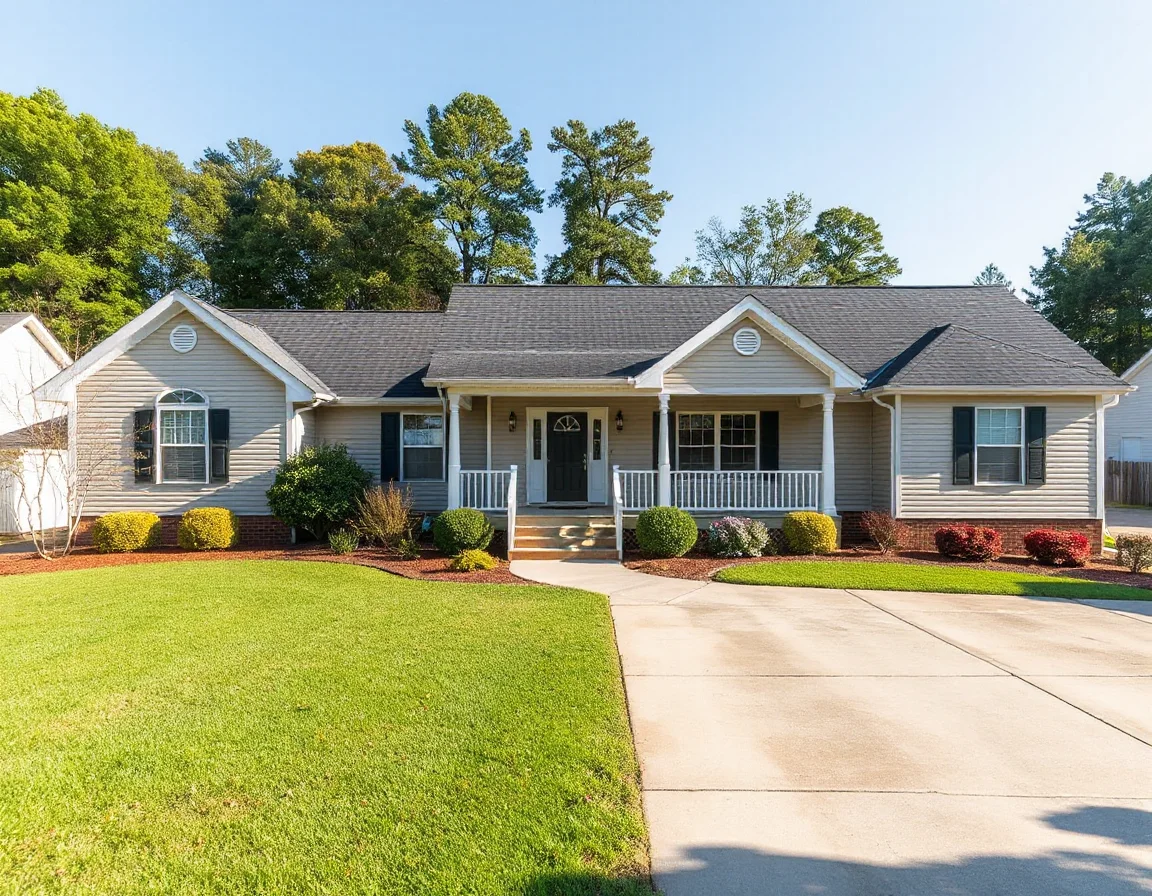
Ask direct questions about what conveys with the sale, whether surveys are available, and whether any recorded restrictions affect how the property can be used. These are especially worthwhile conversations when looking at parcels with sheds, detached garages, open land, or unusual lot shapes. Even if a feature seems straightforward, it is best to confirm assumptions in writing during due diligence.
This is one area where a brokerage familiar with both homes and land transactions can add real value. The more clearly you understand the property boundaries and physical systems, the fewer surprises you are likely to encounter between contract and closing.
Build a Plan for Offer Strategy and Inspection Decisions
Once you find the right home, timing matters. A smart buyer already knows how quickly they can submit an offer, what terms are priorities, and where there is room to negotiate. Price is only one part of the offer. Closing timeline, contingencies, requested repairs, and financing strength all shape how your proposal is received.
That preparation continues into the inspection period. Not every issue needs to become a deal breaker, and not every defect should be ignored. The goal is to focus on material concerns, safety-related repairs, major system problems, and items that materially affect the home’s value or function. Having a clear strategy keeps negotiations practical and helps both sides move toward a workable outcome.
Good communication is especially important if the home has acreage, multiple structures, or older systems. The inspection phase should clarify risk, not create confusion. Buyers who stay organized during this step tend to make steadier decisions and feel better about the home they ultimately purchase.
Keep the Finish Line in Mind
The best home purchase is rarely the result of one lucky click online. More often, it comes from solid prep, careful comparison, and fast action when the right opportunity appears. If you set a realistic budget, secure pre-approval, evaluate the location carefully, study condition and land details, and prepare for negotiations before you need them, you put yourself in a much stronger position.
Clinton offers a range of options for buyers, from established neighborhoods to properties with more room to spread out. Approaching the process with a clear checklist helps you make decisions based on facts, not pressure. That is the kind of groundwork that turns a complicated search into a more confident move.