
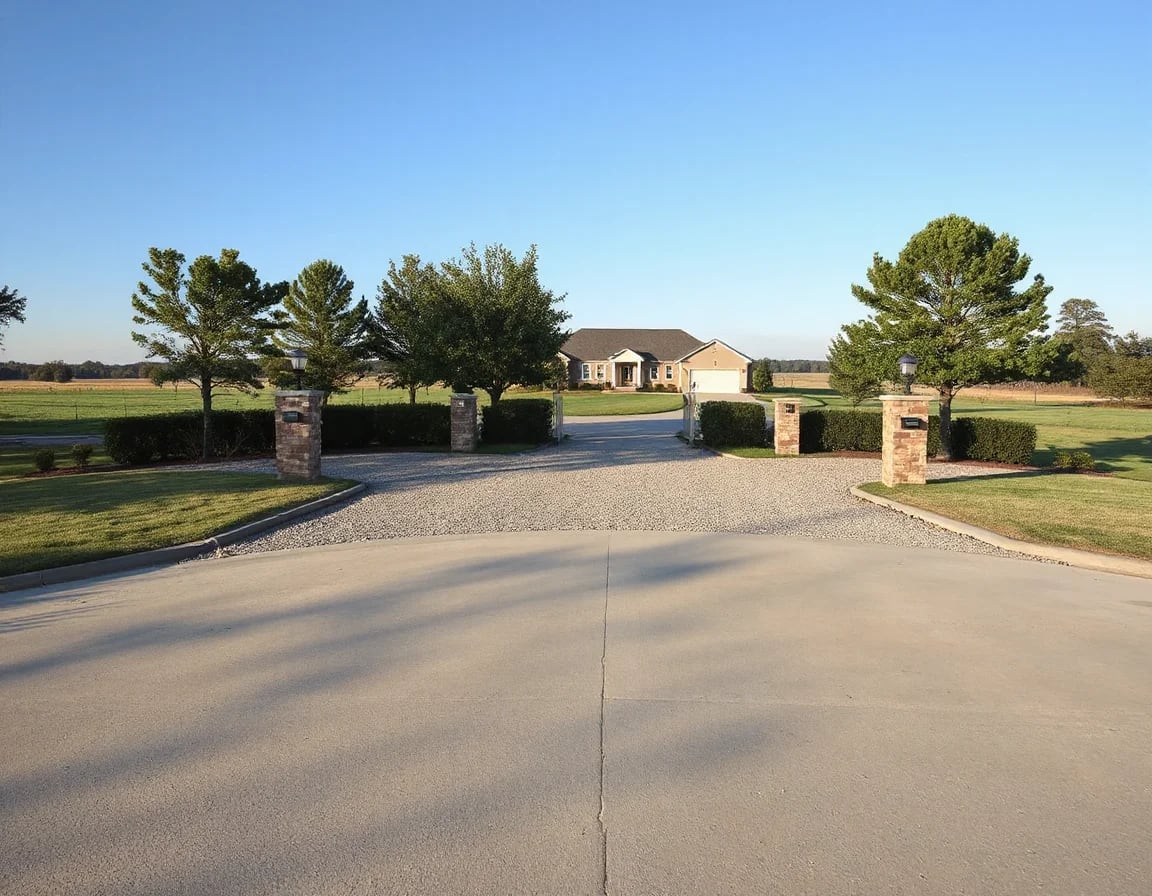
New construction can offer modern layouts, updated materials, and fewer near-term repair projects, but the process is different from buying a resale home. In Eastern North Carolina, buyers should pay close attention to builder timelines, lot characteristics, warranties, and the total cost of upgrades before committing. A little preparation upfront can make the difference between a smooth closing and an expensive surprise.
Why New Construction Draws Attention in Eastern North Carolina
Freshly built homes continue to attract buyers across Eastern North Carolina for practical reasons: energy-efficient systems, contemporary floor plans, and the appeal of being the first owner. In communities around Clinton and throughout nearby parts of Sampson, Johnston, Duplin, and Harnett counties, new construction can range from homes in growing subdivisions to custom builds on individual lots. That variety creates opportunity, but it also means buyers need to compare more than just square footage and list price.
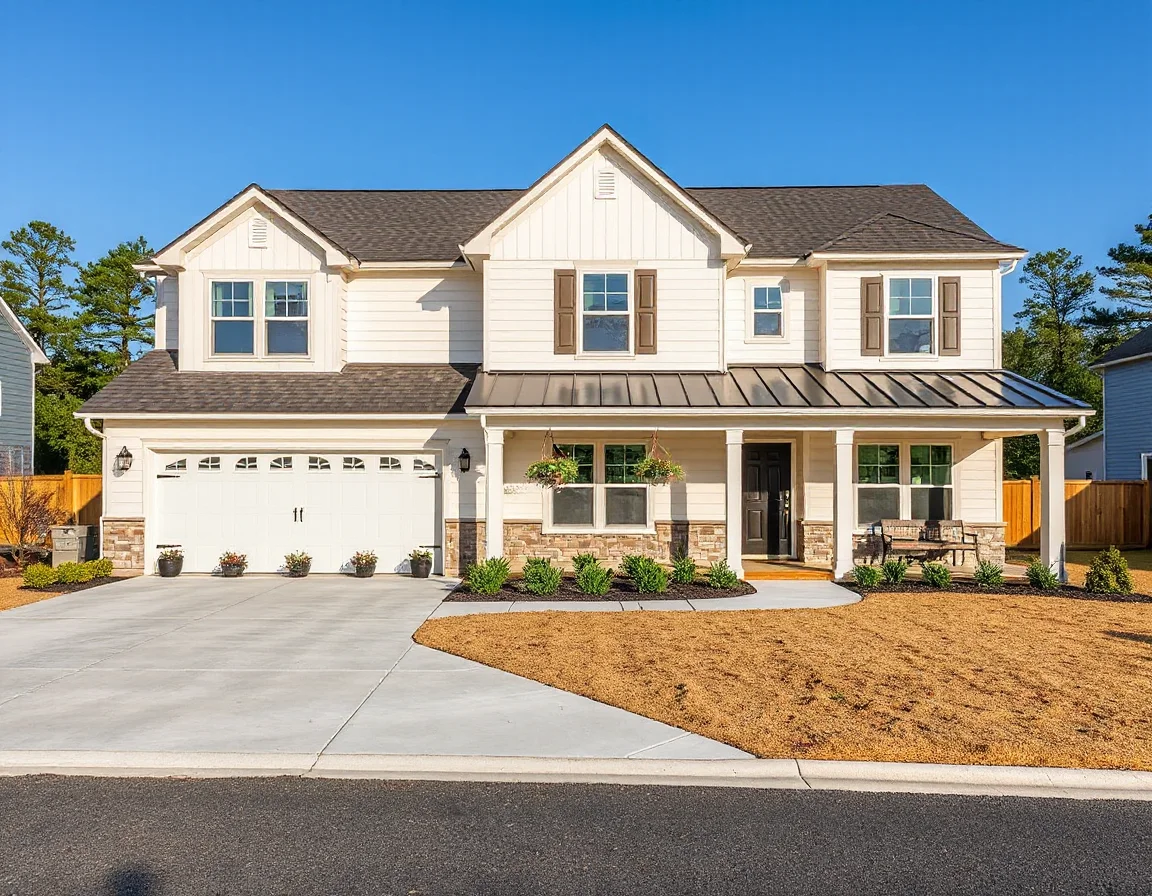
Unlike resale purchases, where a buyer evaluates a finished property with a known maintenance history, new construction often involves decisions while the home is still being planned, framed, or completed in phases. That can be exciting, especially when selecting finishes or choosing a lot, but it also requires close review of contracts, allowances, completion schedules, and change-order policies. What looks simple in a model home may involve several optional upgrades in the final build sheet.
Location also matters in a very specific way. Some new homes are part of established neighborhoods with paved streets and completed infrastructure, while others are in earlier phases where nearby construction may continue after move-in. Buyers should ask what is already finished, what is still planned, and whether roads, drainage, utilities, and common areas are complete or scheduled for later delivery.
A base price is only the starting point on many new homes. Flooring, cabinets, lighting, porches, lot premiums, and appliance packages can all shift the final number quickly.
That is one reason local guidance can be so valuable. A brokerage familiar with both existing homes and development activity can help buyers compare builder offerings against resale alternatives, land opportunities, and surrounding market trends instead of viewing the new-construction purchase in isolation.
What to Ask Before You Sign a Builder Contract
Builder contracts are often very different from standard resale agreements. They may contain stricter timelines, less flexibility on negotiations, and specific provisions about delays, construction tolerances, deposits, and financing milestones. Buyers should read every page carefully and understand which features are included, which are optional, and which are shown for marketing purposes only.
A strong question list can help. Ask for a complete specification sheet, a detailed explanation of standard finishes, the warranty outline, estimated completion timing, and the process for handling repairs before and after closing. If the home is not yet complete, ask how often walkthroughs are allowed and when final selections must be made. It is also worth confirming whether landscaping, mailboxes, driveways, and exterior elements are included in the stated price.
Timeline flexibility matters. Weather, materials, utility scheduling, and inspections can all affect completion dates, so buyers should build some cushion into lease endings, rate-lock plans, and moving arrangements.
Financing deserves special attention as well. Some builders prefer specific lenders or offer incentives tied to affiliated mortgage partners. Those offers can be useful, but buyers should still compare rates, closing costs, and terms with outside lenders. The best deal is not always the one with the biggest advertised credit; sometimes a higher interest rate or added fees can offset the incentive.
Talk with a local real estate team
Lot, Land, and Site Details Matter More Than Many Buyers Expect
In Eastern North Carolina, the lot itself can be as important as the house. Two homes with the same floor plan may perform very differently depending on drainage, grading, sun exposure, tree coverage, road frontage, and surrounding uses. Buyers considering homes on larger parcels or semi-rural sites should also ask about septic systems, well water, easements, and any recorded restrictions affecting future outbuildings or land use.
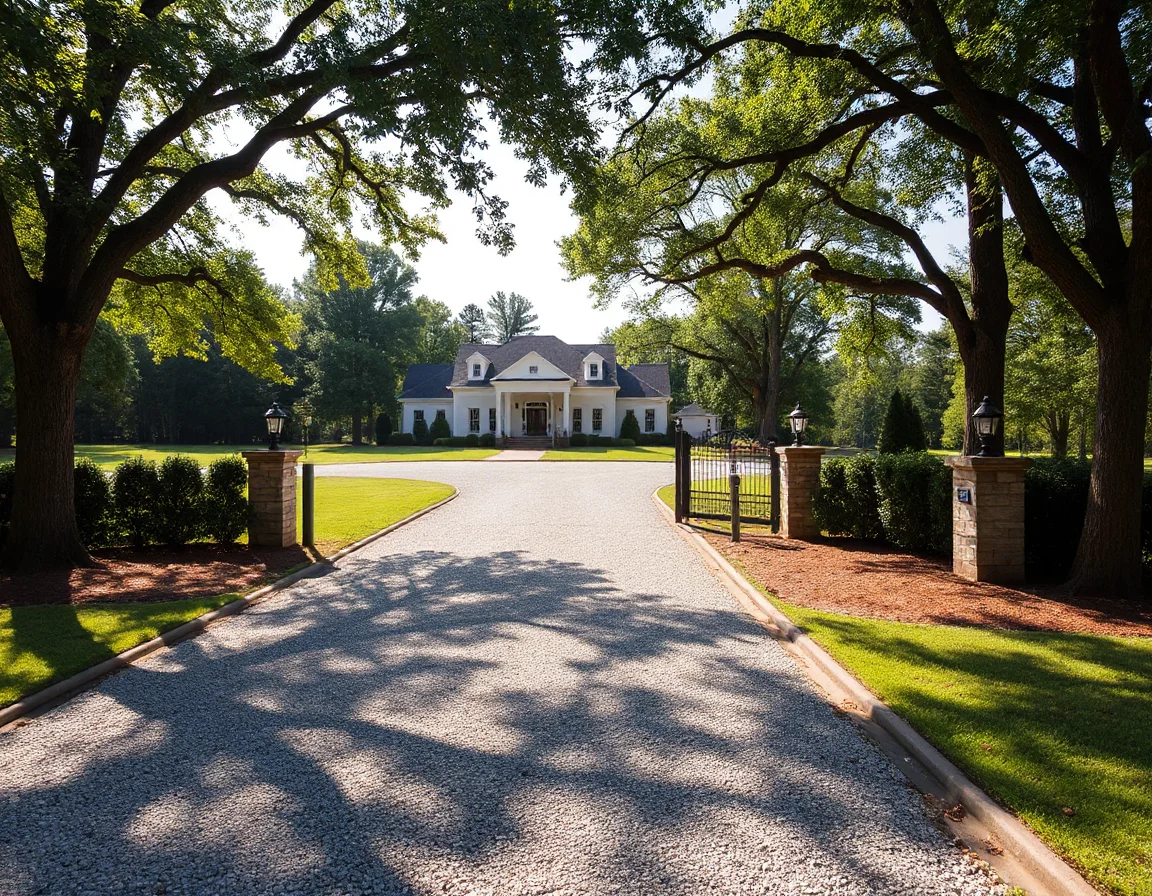
Drainage is especially worth reviewing after a strong rain if possible. A lot that appears level and open on a sunny day may reveal standing water patterns or runoff issues at another time. The same goes for access. A home on a quiet side road may offer privacy, but buyers should confirm road maintenance responsibilities, driveway completion, and whether nearby parcels are likely to be developed later.
For buyers purchasing a home before it is fully built, a site visit with an experienced local agent can help spot practical issues early. It is easier to ask about grading, slab height, tree removal, rear lot lines, or neighboring structures before closing than after the moving truck arrives. This is one area where local market knowledge really shows its value, particularly in counties where homes may sit on larger pieces of land and site conditions vary widely.
Another key point is understanding how the lot affects long-term usability. Outdoor storage, garden space, parking, and future additions are all influenced by setbacks, septic placement, utility lines, and topography. Those details may not be obvious from a floor plan, but they shape day-to-day ownership in a big way.
Inspections, Warranties, and Final Walkthrough Strategy
It is easy to assume a brand-new home does not need the same level of scrutiny as an older property. In reality, inspections are still important. Independent inspectors can review visible workmanship, systems, installation quality, and safety concerns that deserve correction before closing. Even a well-built home may have punch-list items, and it is better to identify them while builder crews are still mobilized and the contractual repair process is active.
Buyers should also understand the warranty structure. Many new homes include a builder warranty period for workmanship and materials, along with manufacturer warranties for certain systems or appliances. Ask what is covered, how service requests are submitted, and whether there are deadlines for reporting issues. Keeping organized records from day one can make follow-up much easier.
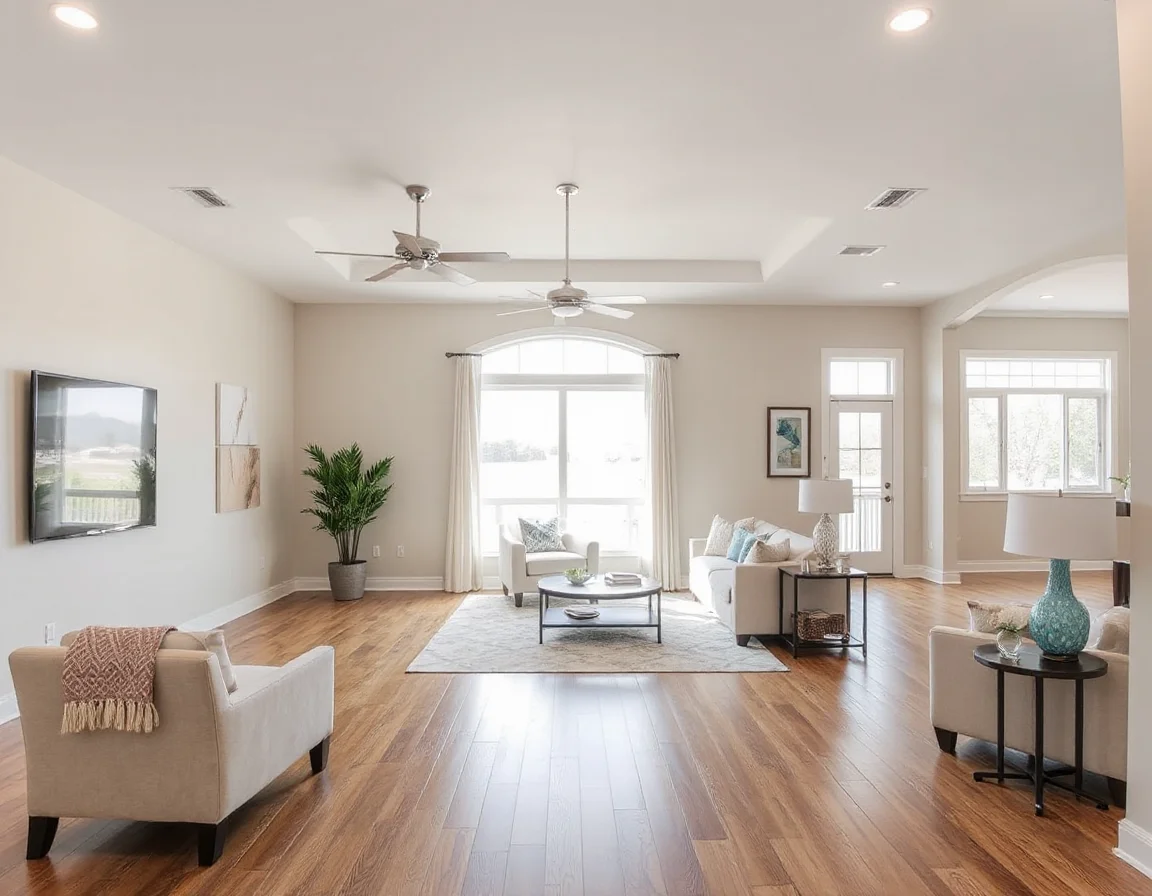
The final walkthrough is not just a formality. It is the buyer’s chance to confirm that agreed-upon selections were installed, requested repairs were completed, and the property condition matches the contract terms. Test doors, windows, fixtures, appliances, outlets, and HVAC zones. Review paint, flooring, trim, and exterior surfaces carefully. Bring notes, photos, and the original selections list so nothing gets missed in the excitement of closing week.
It is also smart to ask for practical handoff information: utility contacts, paint colors, product manuals, service schedules, and any care instructions for surfaces or systems. A new home comes with new responsibilities, and a clean turnover package can help the first months of ownership go more smoothly.
Explore homes in Sampson County
Balancing Value, Timing, and Long-Term Fit
New construction can be an excellent option for buyers who want updated features and a lower near-term maintenance profile, but the best purchase is not always the flashiest model or the biggest upgrade package. The right decision usually comes from balancing price, lot quality, build reputation, warranty support, and how the home fits everyday needs over time.
Across Eastern North Carolina, that balance can look different from one community to the next. Some buyers may prioritize a move-in-ready home with a straightforward commute pattern, while others may focus on land, storage space, or flexibility for future improvements. The important part is comparing the total picture: home, site, contract, timeline, and carrying costs.
With careful review and strong local representation, buying new construction can feel much less overwhelming. The process has more moving parts than many first-time new-build buyers expect, but with the right questions and a clear understanding of what is included, buyers can move forward with confidence and a far better sense of the home they are actually purchasing.