
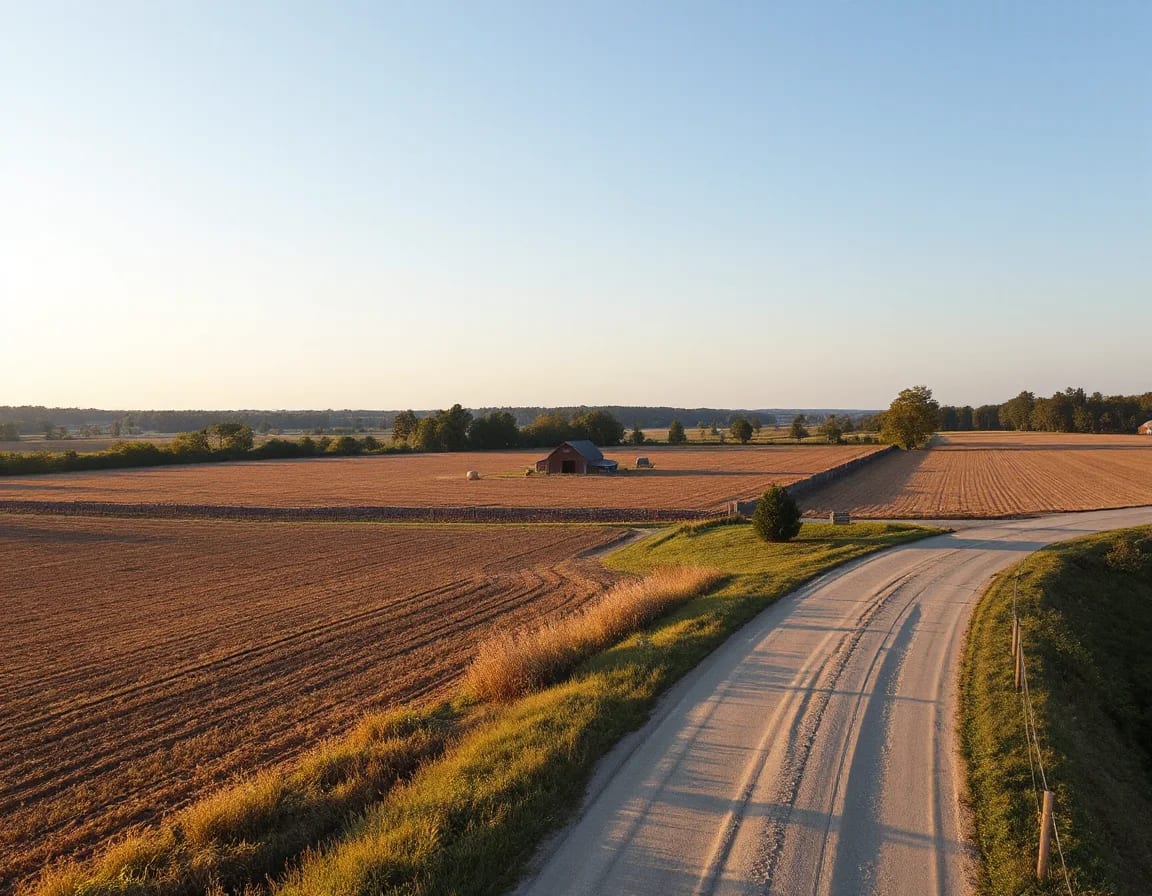
Buying rural acreage in Sampson County can open the door to privacy, flexibility, and long-term value, but land purchases come with a different checklist than a typical home search. Before you fall in love with a parcel, it helps to understand access, utilities, soils, flood considerations, restrictions, and your true end use. A little upfront homework can save months of surprises and make your offer much smarter.
Why Rural Land Requires a Different Buying Mindset
Open land can look simple at first glance: a road frontage, a tree line, maybe a cleared field, and plenty of room to imagine what comes next. In practice, however, acreage purchases often involve more investigation than a house in an established neighborhood. A home already tells you a lot about how the site functions. Raw or lightly improved land asks you to uncover that story yourself.
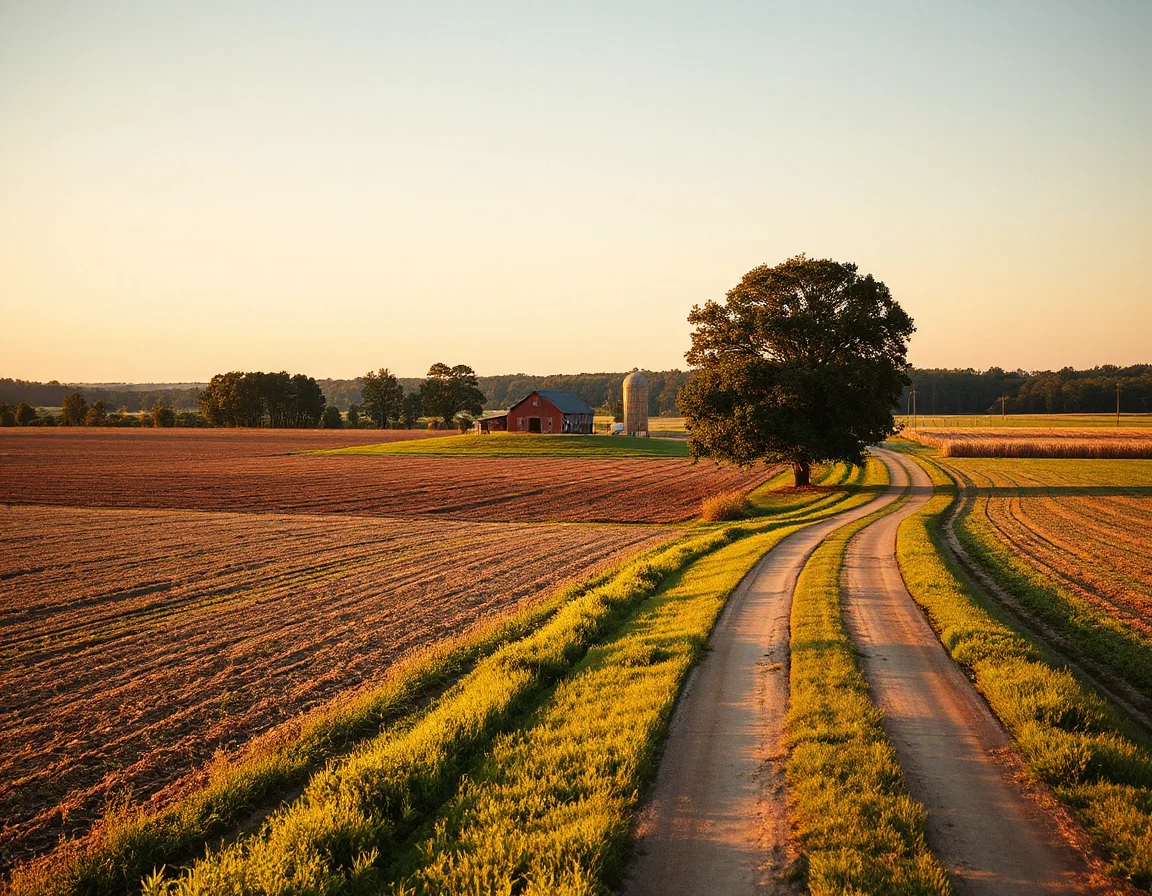
That is especially true in a market like Sampson County, where available parcels can range from cleared farmland to wooded tracts to land that may be suitable for a future homesite. Each type brings its own due diligence. A buyer may be comparing road access, checking whether a septic system is possible, reviewing flood maps, and confirming whether a lender will finance the purchase under favorable terms.
For that reason, one of the smartest moves is to approach land with a written list of questions before touring multiple properties. That keeps emotion from outrunning facts and helps you compare one tract to another on practical terms instead of just visual appeal.
A parcel can be attractive and still be difficult to build on. The most useful early question is not “Do I like it?” but “Can it actually support my intended use?”
1. What Access Does the Property Really Have?
Not all road frontage is equal, and not every parcel that appears accessible offers the same ease of use. Start by asking whether the property fronts on a publicly maintained road, a private road, or an easement. If access depends on an easement, request the recorded documents and make sure the legal description matches the route on the ground.
You will also want to know whether the entrance is practical for daily use, construction equipment, deliveries, or agricultural activity. A narrow drive or soft ground near the entrance may matter more than a wide-open back field. In wet weather, conditions can change quickly, so access should be evaluated for more than just a sunny showing day.
Boundary lines deserve the same attention. Old fence rows, tree lines, and ditches are not a substitute for a current survey. If the corners are unclear or neighboring uses create questions, a survey can provide peace of mind before closing and reduce the risk of expensive misunderstandings later.
Search Sampson County listings
2. Are Utilities Available, or Will You Need Alternatives?
One of the biggest differences between town lots and rural acreage is infrastructure. Ask whether public water is available at the road, whether electric service is nearby, and whether internet options meet your needs. The answer may be yes, no, or “possible, but at a cost.” That cost matters just as much as the land price.

If public sewer is not available, the next question is septic suitability. That usually means checking prior permits, if any exist, and understanding whether a soil evaluation has been completed. A parcel that looks ideal on the surface can become more complicated if the soils limit where improvements can go. Buyers planning to build should verify this early rather than assuming a permit will be routine.
Power and water extensions can also change the budget in a hurry. The less visible items on vacant land—well installation, septic system design, site clearing, driveway construction, and utility setup—may add up faster than expected. A lower list price does not always mean a lower total project cost.
Two parcels with similar acreage can produce very different total budgets once clearing, septic, well, and utility connection costs are added in.
It is worth asking for any existing records the seller has, then confirming details directly with the relevant providers or county offices. Clear information on utilities can help you move from a hopeful concept to a workable plan.
3. What Do the Soils, Topography, and Flood Maps Say?
Land is not just measured in acres; it is measured in usable acres. Topography, drainage, wet areas, and soil composition all shape what can happen next. A tract with beautiful open space may still contain low-lying sections, drainage paths, or challenging grades that affect where you build, farm, or place access routes.
Flood maps are another important checkpoint in Sampson County and throughout eastern North Carolina. Even if a parcel is not entirely in a flood-prone area, a portion of it might be. That can influence insurance considerations, site placement, and future resale appeal. Reviewing maps early helps prevent costly surprises after you are already under contract.
Walk the property with purpose. Look for signs of standing water, changes in elevation, or heavily saturated ground. If the parcel has a creek, ditch, or pond area, ask how water moves across the land after heavy rain. That information may not be obvious from listing photos or an aerial view alone.
4. What Restrictions or Zoning Rules Apply?
Many buyers assume rural land means total freedom, but every parcel exists within some set of rules. Zoning, deed restrictions, recorded covenants, and environmental considerations may all affect what you can do. If your plans include building a residence, adding accessory structures, keeping equipment, dividing the tract later, or using the property for agricultural purposes, those details should be reviewed before you make commitments.
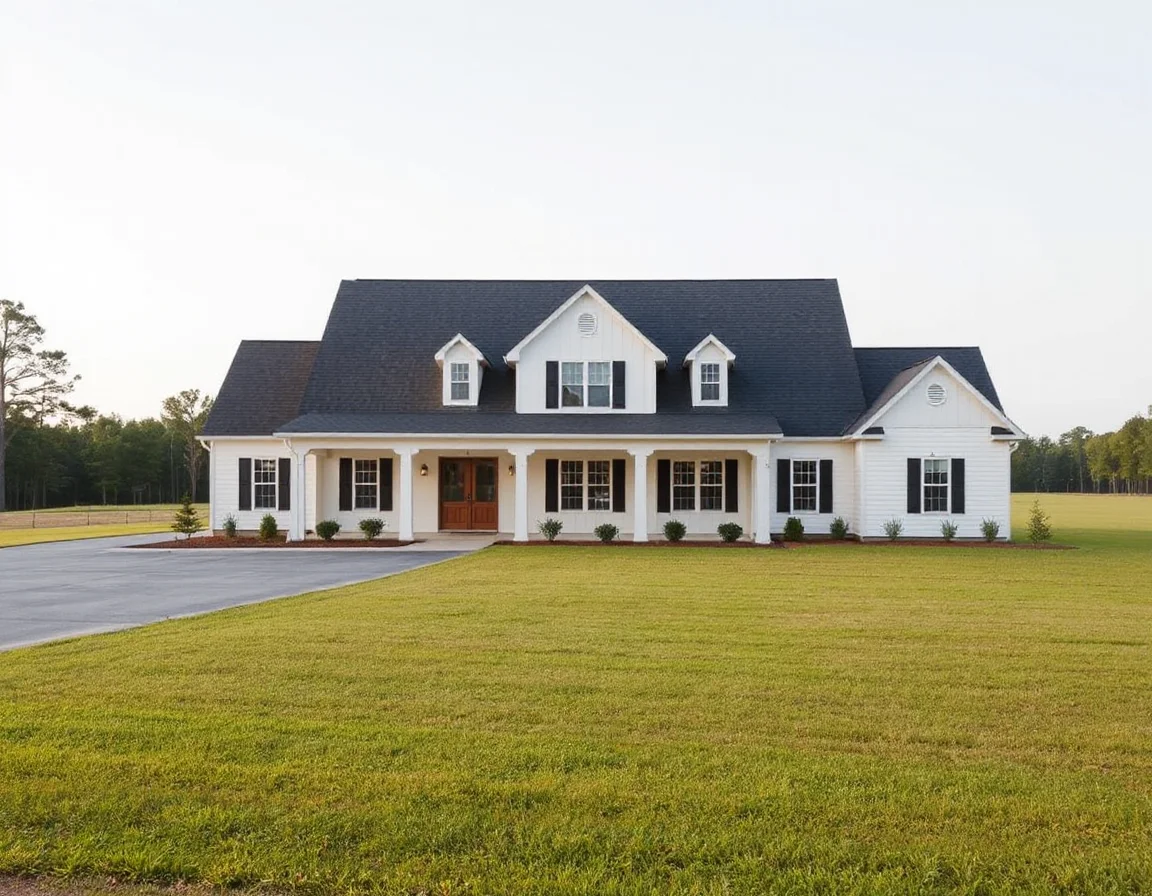
In some cases, the right question is not simply “Can I build?” but “Can I build what I want, where I want, and on the timeline I expect?” Minimum lot requirements, setbacks, subdivision rules, and road standards can all influence the answer. If the property is being marketed for a future homesite, ask what documentation supports that claim.
Restrictions are not automatically a negative. Sometimes they help preserve a certain land-use pattern or create predictability among neighboring parcels. The key is understanding them fully so the land matches your goals.
Talk with Naylor Realty about land options
5. How Will You Finance the Purchase and Future Improvements?
Land financing is often different from financing an existing home. Down payment expectations may be higher, loan terms may vary, and some lenders classify raw land, improved land, and build-ready land differently. Before you make an offer, ask what type of financing the property is likely to support and whether your lender has experience with rural acreage.
Beyond the purchase itself, think through the next phase. If your plan includes construction, site work, or holding the land for future use, estimate those costs now. Property taxes, insurance needs, maintenance, and carrying costs all play a role in whether the purchase remains comfortable over time.
For buyers weighing several tracts, this is where a side-by-side worksheet can help. Compare not just price and acreage, but also utility status, site prep needs, access, restrictions, and financing terms. That often reveals the best value more clearly than price per acre alone.
6. What Is the Exit Strategy if Your Plans Change?
Even when you are buying with a clear vision, it is wise to think ahead. If your timeline shifts or your intended use evolves, will the parcel still hold broad appeal in the market? Factors such as legal access, usable topography, utility potential, and clear documentation usually matter not only to you, but also to a future buyer.
This is one reason local market knowledge makes a difference. A brokerage familiar with Sampson County land can help you weigh the less obvious details that affect both current usability and resale flexibility. That includes understanding how nearby towns, commuting routes, agricultural patterns, and development trends may shape demand over time.
Rural acreage can be an excellent purchase when the facts line up with the vision. Ask the right questions, verify the answers, and give yourself room to investigate before moving forward. With solid due diligence, you can buy land with more confidence and fewer surprises—whether your goal is to build, invest, or simply secure space for the future.